

How to Know When It’s Time to Upgrade Your Commercial Sign
Whether you’re managing a shopping center, rebranding a property, or evaluating an aging sign, it’s important to remember that every sign has a lifecycle. As properties evolve and signage technology advances, there comes a point when a sign may no longer provide the visibility, functionality, and value it once did.
Understanding the indicators that it’s time for an upgrade can help property owners make informed decisions about modernizing their signage.
Some Common Indicators That It’s Time to Modernize Your Signage
1. Faded Faces and Graphics
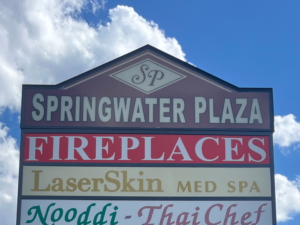
One of the most noticeable indicators that it may be time for a sign upgrade is fading. Continuous UV exposure can cause colors to lose their vibrancy and sign faces to become dull or weathered over time.
Even if a sign remains readable, faded graphics can make a property appear outdated and neglected. Since signage is often the first thing visitors notice, maintaining a professional appearance is essential.
2. Peeling, Cracking, and Weathered Materials
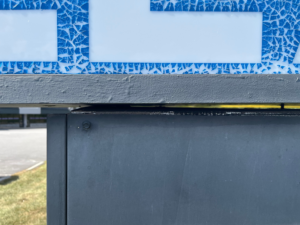
As signs endure years of changing temperatures and weather conditions, materials naturally expand and contract. Over time, this can lead to cracked finishes, peeling graphics, warped components, and failing sign faces.
While cosmetic repairs can temporarily improve appearance, recurring material issues may be a sign that it’s time to evaluate whether modernization is a more effective long-term solution.

3. Outdated Signage No Longer Reflecting the Property’s Image
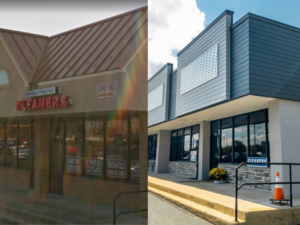
Properties naturally evolve over time. Renovations, tenant changes, rebranding initiatives, and exterior improvements can dramatically change how a shopping center or commercial property looks and feels.
When these updates occur, signage is often overlooked. As a result, a sign that once fit the property perfectly may no longer reflect its current appearance or standards.
Keeping signage aligned with the overall look of a property helps create a more cohesive visitor experience and strengthens first impressions. In many cases, a sign upgrade becomes the finishing touch that completes a larger modernization effort.
For multi-tenant properties, updated directory signage can also simplify future tenant changes by creating a more consistent system for panel updates and maintenance.
4. Reduced Return on Investment
A sign’s job isn’t simply to display a name. It should actively work as a marketing tool that attracts attention, communicates information, and drives traffic to your business or property.
As customer expectations and technology evolve, traditional static signage may no longer provide the level of visibility and engagement that modern businesses need.
Electronic message centers allow businesses and property managers to change messaging instantly, promote events, advertise available space, and communicate with customers in real time.
According to data cited by Impact LED, electronic message signs can generate more than 15 times the impressions of a traditional static sign, while research from the Small Business Administration has shown revenue increases ranging from 15% to 150% when electronic message centers are used effectively.
When a sign is no longer helping support marketing goals, it may be time to consider an upgrade that delivers a stronger return on investment.

5. Outdated Illumination Technology
Many older signs still rely on fluorescent lighting systems that require ongoing maintenance and replacement components.
Modern LED systems provide brighter illumination, lower energy consumption, improved reliability, and reduced maintenance requirements. When lighting systems begin requiring frequent service, it may be time to consider a more comprehensive upgrade.
A Real-World Example: Springwater Plaza
Springwater Plaza provides a great example of how a sign upgrade can deliver value beyond simply replacing aging materials.
While the existing pylon sign continued to serve its purpose, the shopping center’s visibility, tenant presentation, and communication capabilities no longer reflected the property’s full potential.
As customer expectations and signage technology evolve, property owners are increasingly looking for ways to maximize the effectiveness of one of their most visible marketing assets. For Springwater Plaza, that meant creating a sign that not only identified tenants, but also attracted attention and engaged passing traffic along an extremely busy highway.
The modernization project included updated tenant panels, refreshed aesthetics, and the addition of a new Watchfire digital message center. The result is a cleaner, more contemporary sign that enhances curb appeal while providing greater flexibility for promotions, announcements, tenant recognition, and property communications.

The Bottom Line
Every sign has a lifespan. While routine maintenance can extend its usefulness, there comes a point when repairs become less practical than investing in modernization.
Fading faces, weathered materials, dated designs, reduced visibility, outdated lighting technology, and limited communication capabilities can all be indicators that it’s time to evaluate your signage.
A professional sign survey can help identify opportunities to improve your property’s appearance, visibility, and overall effectiveness while determining whether maintenance, refurbishment, or modernization is the best long-term solution.
If any of these indicators sound familiar, the team at Pro Signs is ready to help bring your vision to life through expert design, engineering, fabrication, and installation services.